The Importance of Backflow Prevention and Testing
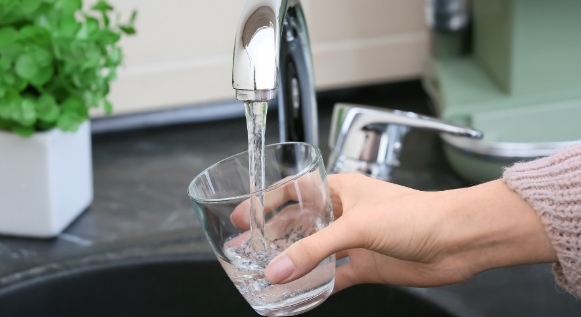
Backflow is a serious plumbing issue that can contaminate clean water, posing significant health risks to a community. It occurs when the flow of water in a plumbing system reverses, drawing dirty or contaminated water into the clean water supply, which can happen due to changes in water pressure.
Regular backflow testing is not just a recommendation; it’s a critical preventative measure to ensure water remains safe and potable. Understanding the nuances of backflow and the importance of consistent testing is key to safeguarding water quality. This post will discuss backflow, backflow testing, and the importance of routine testing.
What Is Backflow?
Backflow in plumbing refers to the unwanted reversal of water flow in the opposite direction, causing non-potable or non-drinkable water to mix with potable water. This typically occurs in two main ways, which are back-siphonage and back-pressure. Back-siphonage happens when a sudden drop in water pressure in the main supply creates a vacuum, sucking contaminated water from a fixture, for example, like a garden hose submerged in a puddle, back into the clean water lines. Back-pressure occurs when the pressure in a private system, such as a well pump or a chemical injection system, exceeds the pressure in the public water supply, forcing contaminated water into the potable water system.
The dangers of backflow are substantial and can have severe health consequences. When contaminated water enters the clean water supply, it can introduce harmful bacteria, viruses, chemicals, and other pollutants. This can lead to various illnesses, ranging from gastrointestinal issues to more serious conditions. Protecting against backflow is crucial for public health and safety, making the installation of backflow prevention devices, regularly testing them, and repairing them if necessary, essential.
What Is Backflow Testing?
Backflow testing is a critical procedure performed by certified professionals to ensure that backflow prevention devices are functioning correctly. These devices are designed to stop contaminated water from reversing flow and entering the potable water supply. During a test, the technician uses specialized equipment to measure the pressure within the device, checking that all valves and components are operating within established safety standards.
The process typically involves isolating the backflow preventer, applying pressure to different zones, and observing the gauges to confirm that there are no leaks or malfunctions that would compromise its ability to prevent backflow. This regular assessment is essential for maintaining the integrity of the water system.
Annual backflow testing is not just a recommendation; in many places, it’s required. The primary reason for this annual check is that backflow prevention devices can wear down over time due to various factors such as water pressure fluctuations, sediment buildup, and general aging of components. A device that appears to be working can, in fact, have internal faults that only a proper test can detect. Without regular testing, a malfunctioning device could unknowingly allow contaminated water to enter the public water supply, creating a serious health hazard. Therefore, annual testing provides a crucial layer of protection, ensuring these devices remain effective and that drinking water remains safe and free from contaminants.
The Importance of Routine Backflow Testing
Routine backflow testing is a critical measure for ensuring the safety and integrity of the water supply. The primary benefit of these regular checks is that they verify that backflow prevention devices are functioning correctly. Backflow preventors are designed to prevent the reverse flow of water. Like any machinery, they can degrade over time, so during a backflow test, professionals can identify any potential malfunctions or issues before they lead to a full-blown backflow event, thereby helping to prevent costly damage to the plumbing system and ensuring the longevity of water infrastructure.
Beyond protecting the plumbing, routine backflow testing is paramount for public health and safety. The most significant benefit is that it directly helps to prevent water contamination. Contaminated water, introduced through a backflow incident, can carry harmful bacteria, viruses, chemicals, and other pollutants into the potable water supply. These contaminants can cause a variety of illnesses, so by consistently verifying the proper operation of backflow preventers, these tests create a vital barrier against such hazards, safeguarding the health of the family and the broader community by ensuring that drinking water remains clean, safe, and free from dangerous impurities.