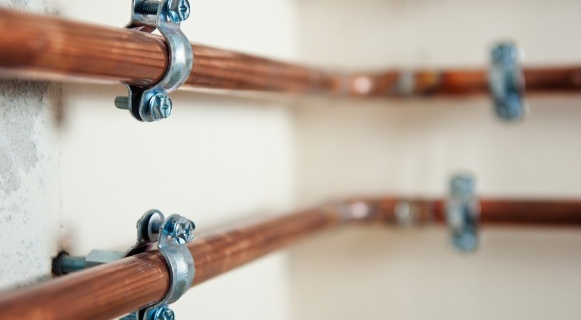
UNDERSTANDING WATER HAMMER AND ITS RISKS

Understanding and Fixing the Banging Sound From Pipes

A quiet evening at home can suddenly be interrupted by a loud banging sound coming from the plumbing system. That unexpected noise often points to water hammer, a common issue that develops when pressure changes move through pipes with significant force. Understanding the cause of that sound creates the first step toward protecting plumbing components and maintaining reliable water flow throughout the home.

What Is Water Hammer and Why Does It Happen?

A rushing stream of water moves smoothly through pipes until a valve closes suddenly and changes everything. Water hammer, also known as hydraulic shock, occurs when flowing water is abruptly stopped or redirected, creating a pressure surge that sends a shock wave back through the piping system. That force often reveals itself through loud banging or knocking noises that echo behind walls and beneath floors.

Modern plumbing systems frequently contain quick-closing valves that can cause and contribute to hydraulic shock. Dishwashers, washing machines, and other water-using appliances can shut off water flow rapidly, creating conditions that allow pressure waves to form. As that pressure travels through the system, pipes and fittings absorb the impact.

Several other factors can make water hammer more severe. Loose pipes may move when pressure surges occur, while excessive water pressure can increase the force of hydraulic shock. Clogged air chambers may also reduce the system’s ability to absorb pressure changes, allowing noises and stress to become more noticeable over time.

The Risks of Ignoring Water Hammer

At first, an occasional banging sound may seem like a minor annoyance. Beneath the surface, however, repeated hydraulic shock places continuous stress on plumbing components. Every surge applies force to joints, fittings, and pipe supports, gradually weakening important connections.

As that stress accumulates, small plumbing issues can develop into larger concerns. Leaks may begin around vulnerable connections, and in more serious cases, pipes can crack or burst under repeated pressure. What starts as a simple noise can eventually lead to significant plumbing repairs.

Water hammer can also affect appliances connected to the plumbing system. Constant pressure fluctuations may reduce efficiency and contribute to premature wear on valuable equipment. Combined with the risk of water damage from leaks or burst pipes, unresolved water hammer can become an expensive problem for any property.

Common Fixes for Water Hammer

Every water hammer problem has an underlying cause, which is why professional diagnosis remains the most effective solution. A thorough plumbing inspection can identify the source of the hydraulic shock and determine the best repair strategy. Addressing the root cause helps prevent recurring issues and protects the entire plumbing system.

One common solution involves installing water hammer arrestors. These specialized devices absorb hydraulic shock before pressure waves can travel through pipes and create damaging impacts. By reducing the force of sudden pressure changes, water hammer arrestors help restore quieter and safer plumbing operation.

Additional repairs may include lowering excessive water pressure, replacing a malfunctioning water pressure regulator, or securing loose pipes. Each solution targets a specific condition that contributes to water hammer and helps improve overall plumbing performance. Professional plumbing services ensure that repairs are completed safely and effectively, helping prevent future damage and costly disruptions.
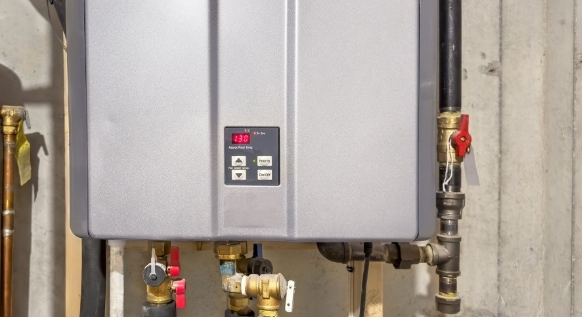
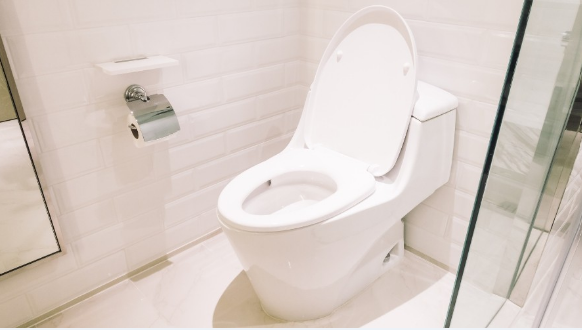
AN EXPERT GUIDE TO TANKLESS WATER HEATERS

Why Install a Tankless Water Heater?

Upgrading to a modern heating system is one of the most effective ways to enhance a home’s plumbing and improve daily convenience for the entire household. Unlike older methods that keep dozens of gallons of water simmering all day in a large container, these systems offer a more streamlined, contemporary approach to home comfort. Many homeowners decide to switch to enjoy a more reliable, consistent hot water supply that doesn’t run out during peak morning hours.

Simultaneously, this transition helps in reducing the bulk and clutter of traditional utility closets, replacing a massive, heavy cylinder with a sleek unit that creates extra room for storage or other household needs. By choosing to install a tankless water heater, a household moves toward a more sophisticated and responsive way of managing essential utilities.

What Is a Tankless Water Heater and How Does It Work?

A tankless water heater is a compact, high-efficiency device designed to provide hot water only when a faucet or appliance is actually turned on. The primary difference between this technology and a traditional storage-tank water heater is the absence of a massive, permanently filled hot-water tank. While a standard storage water heater keeps a large volume of water hot 24 hours a day—even when everyone is asleep—a tankless unit stays idle until it is needed, which is why many people refer to it as an “on-demand” system.

The way it functions is quite clever yet simple to understand. When a hot water tap is opened somewhere in the house, cold water flows into the unit, where a sensor detects the movement. This triggers a powerful heating element, using either gas or electricity, to instantly warm the water as it passes through the device. Because there is no water heater tank to empty or refill, the system can provide a continuous stream of hot water for as long as the tap remains open, ensuring that the supply never truly runs out.

Benefits of Installing a Tankless Water Heater

Investing in a professional tankless water heater installation offers several long-term advantages that go far beyond just a warm shower. One of the most significant perks is the superior energy efficiency these units provide. Since the system does not waste fuel or electricity keeping a large hot water tank warm all day and night, it uses significantly less energy, which typically leads to lower monthly water heating costs. Homeowners also appreciate the luxury of having hot water on demand; there is no longer a need to wait for a tank to refill and slowly warm up after one person finishes a long bath.

Beyond performance, these units are prized for their compact and space-saving design. While a traditional water heater tank takes up a large footprint in a basement or closet, a tankless unit is roughly the size of a small suitcase. It is usually mounted on a wall, freeing up valuable floor space. Additionally, these systems are built for longevity. While a standard tank might last about a decade, a well-maintained tankless model can often serve a home for up to twenty years, making it a durable and smart long-term investment for any property owner.

Signs It’s Time to Replace an Existing Water Heater

Knowing when to schedule a water heater replacement can save a homeowner from the stress of a sudden breakdown or a flooded utility room. Common warning signs include a leaking water heater or visible moisture pooling around the base of the unit, which often indicates a structural failure. A corroded water heater is another major red flag; if the water coming out of the taps looks rusty or if there is visible “pitting” on the exterior of the tank, the metal is likely deteriorating from the inside out.

An old water heater nearing the end of its typical lifespan, usually around 10 to 12 years, is also a prime candidate for an upgrade, as these older units become increasingly expensive to run. Furthermore, if a system requires frequent repairs or struggles to keep up with the household’s needs, it is often more cost-effective to invest in a new unit than to continue patching a failing one. When it is time to install a new unit, homeowners should consider the benefits of a tankless model to determine whether it is the right fit for their lifestyle and long-term savings goals.

PRACTICAL TIPS FOR IDENTIFYING AND PREVENTING TOILET ISSUES

How to Better Care for a Home’s Toilets

The toilet is one of the most used fixtures in any home, yet it rarely gets much attention until something goes wrong. A slow drain, a mysterious leak, or a recurring clog can quickly turn into a bigger, more expensive problem if left unaddressed. The good news is that many common toilet issues are entirely preventable with the right habits, and knowing what warning signs to look for makes it much easier to catch problems before they escalate.

Caring for a home’s toilets doesn’t require plumbing expertise, just a basic understanding of how they work, what they can handle, and when it’s time to call in a professional. From avoiding common causes of clogs to recognizing when a toilet has reached the end of its useful life, a little knowledge goes a long way. Here’s what every homeowner should know about keeping their toilets in good shape for the long haul.

Signs a Toilet Needs Repair or Replacement

Toilets are built to last, but they’re not invincible. A toilet that won’t stop running, produces weak or incomplete flushes, leaks around the base, or clogs regularly is a sign that toilet repair may be needed. Visible cracks in the tank or bowl are especially worth acting on quickly, as they can worsen over time and lead to water damage.

Some situations call for a full toilet replacement rather than another round of repairs. A toilet that constantly needs fixing, one that’s over 25 years old, or an older model manufactured before 1994, which can use more than double the water of today’s efficient toilets, is a strong indicator that a new toilet installation is the smarter, more cost-effective move.

Tips for Preventing Toilet Clogs

The most effective way to prevent a clogged toilet is to flush only toilet paper and human waste. Items like paper towels, flushable wipes, cotton balls, dental floss, and feminine hygiene products don’t break down like toilet paper and are a leading cause of toilet clogs, regardless of how they’re labeled.

Even toilet paper can cause a blockage if too much is flushed at once. Homeowners who tend to use a larger amount should try flushing partway through rather than all at once, giving the drain a chance to clear. Teaching children early about what doesn’t belong in the toilet is another simple step that can prevent many avoidable clogs.

How Sewer Lines Impact Toilets

Problems with a home’s sewer lines can show up directly in the bathroom. A clogged sewer line leaves wastewater with nowhere to go, which can result in frequent toilet clogs, slow drainage, and even sewage backups, all of which require prompt professional attention. These issues can be easy to miss until they become serious, so gurgling sounds or water backing up into other drains are signs worth investigating right away.

What goes into the toilet also affects the sewer pipes beyond it. Items like wipes, dental floss, and paper towels may pass through the toilet without immediately causing a clog. Still, they can accumulate inside sewer pipes over time and eventually lead to a clogged sewer line. Tree roots are another common threat, as they naturally grow toward moisture and can crack or block sewer pipes over time. Protecting the toilet starts with good flushing habits, and those habits protect the entire plumbing system connected to it.

Staying ahead of toilet problems doesn’t require any special skills or tools, just a little awareness and a few good habits. Knowing the warning signs that indicate the need for toilet repair or replacement, flushing only what belongs in the toilet, and understanding how sewer lines fit into the bigger picture can go a long way toward keeping a home’s plumbing running reliably for years to come.

PROFESSIONAL BATHROOM REMODELING FOR LASTING RESULTS

Transform the Household’s Bathrooms With Professional Bathroom Remodeling

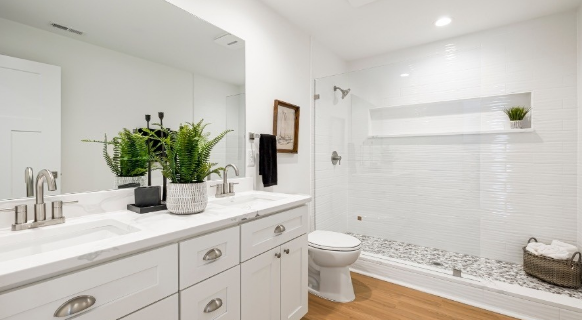
Bathrooms frame daily routines, so outdated layouts, dim lighting, and worn finishes quickly become frustrating. A carefully planned bathroom renovation can turn that essential room into a more comfortable, efficient, and attractive space that matches household habits. Professional planning coordinates style preferences, accessibility needs, storage goals, and budget into one cohesive design. With targeted upgrades to plumbing fixtures, bathroom flooring, and lighting, a remodel can raise comfort, trim water and energy waste, and support long‑term home value. The sections below outline the main benefits of a bathroom remodel, the core pieces typically updated, and why partnering with experienced plumbers is the smartest route to dependable results.

Benefits of a Bathroom Remodel

A bathroom remodel offers both practical and visual upgrades in a single project. Modern finishes refresh the room while better layouts and storage make daily tasks easier. Swapping a cramped tub for a walk‑in shower, adding a second sink, or expanding vanity drawers can noticeably improve functionality.

Updated plumbing fixtures, including low‑flow toilets and water‑saving showerheads, help limit water waste and keep monthly bills in check. Thoughtful bathroom remodeling also supports safety and accessibility through grab bars, slip‑resistant surfaces, and wider clearances.

New bathroom flooring, coordinated bathroom tiles, and efficient lighting give the space a polished, retreat‑like feel that appeals to guests and can boost the home’s overall value.

Key Elements of Bathroom Remodeling

Effective bathroom remodeling focuses on both appearance and durability. Core elements usually start with fixture upgrades: a new shower or tub, a high‑performance toilet, and sinks and faucets that match the chosen style. Moisture‑resistant bathroom tiles on walls and in wet zones protect underlying surfaces and simplify cleaning.

Durable bathroom flooring, such as porcelain tile or waterproof luxury vinyl, withstands splashes and heavy foot traffic. Storage solutions, including vanities with deeper drawers, recessed niches, and tall cabinets, keep toiletries and linens organized.

Updated lighting layers bright task fixtures at the mirror with softer overhead or accent lights, creating a comfortable atmosphere. When needed, modest layout changes can open tight corners and make every square foot feel more usable.

Why Hire Professionals for Bathroom Remodeling?

Bathroom renovation combines plumbing, electrical, ventilation, and waterproofing in a compact space, so expert guidance is crucial. Licensed plumbers know how to size and route supply lines and drains correctly, reducing the chance of leaks, clogs, and hidden water damage. Properly installed shower pans, membranes, and sealants guard against moisture intrusion that might otherwise lead to mold or structural repairs.

Professionals stay current with codes and product options, helping households select dependable plumbing fixtures and materials that meet performance needs and fit budgets. With a qualified bathroom remodeling team overseeing installation and testing, the finished bathroom remodel is more likely to look polished, operate reliably, and support long‑term home value.

COMMON SIGNS THE DRAIN OR SEWER LINE IS CLOGGED

How to Identify a Clog and the Need for Drain Cleaning

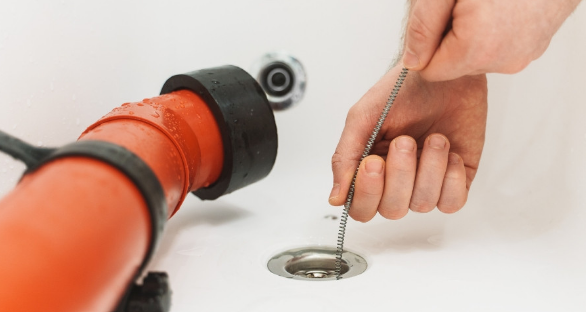
Every plumbing system tells a story when trouble begins, and the earliest chapters often unfold quietly within pipes and fixtures. Subtle changes in drainage performance, unusual sounds, and unpleasant odors are warning signs that a drain line clog or a sewer line obstruction may be forming. Recognizing these indicators early allows the timely scheduling of professional drain cleaning services before minor blockages develop into major plumbing emergencies.

Gurgling Noises or a Bad Smell

Strange gurgling noises from sinks, tubs, or floor drains often signal trapped air from a developing blockage. As wastewater attempts to pass through a restricted sewer line, air bubbles rise through nearby fixtures, creating an unmistakable sound. When the issue affects multiple drains, the likelihood of a sewer line clog increases, and professional drain cleaning becomes essential.

Foul odors drifting from drains add another layer to the story unfolding inside the plumbing system. Accumulated debris, grease buildup, and organic waste trapped in a drain line begin to decompose, releasing unpleasant sewer gases. Persistent smells throughout the property often indicate a deeper obstruction in the main sewer line, which requires specialized equipment for effective removal.

When gurgling sounds or sewer odors occur in only one fixture, the problem often points to a localized drain-line clog. Even a single blocked drain can worsen over time as buildup continues to collect along pipe walls. Professional plumbers use advanced diagnostic tools and hydro jetting methods to restore proper flow and prevent recurring blockages.

Slow Draining

Water lingering in sinks, bathtubs, or showers often marks the next chapter in a developing clog. Slow drainage occurs when debris narrows the interior diameter of pipes, restricting wastewater flow and reducing system efficiency. If multiple fixtures throughout the home drain slowly, the obstruction is likely in the main sewer line.

Standing water in a single bathtub or sink may indicate a clog confined to that specific drain line. Hair, soap scum, food particles, and grease frequently accumulate along pipe interiors, gradually forming stubborn blockages. Left untreated, such buildup can spread deeper into the plumbing system and increase the risk of widespread sewer line issues.

As drainage performance declines, pressure within the plumbing system rises, and strain on pipes intensifies. Professional drain cleaning services use camera inspections to locate the exact position of the clog and determine the most effective removal strategy. Timely intervention protects the sewer line, prevents property damage, and restores smooth wastewater flow.

Backups

Water backing up into sinks, tubs, or toilets represents one of the clearest indicators of a significant blockage. When wastewater has no clear path through the sewer line, it reverses direction and reappears in the lowest available fixtures. Multiple simultaneous backups throughout the property strongly suggest a main sewer line clog.

An isolated backup confined to one toilet or drain typically signals a localized drain line obstruction. Even a small blockage can disrupt normal plumbing function and create unsanitary conditions. Immediate professional drain cleaning prevents contaminated water from spreading and reduces the likelihood of structural damage.

As backups become more frequent, the risk of pipe corrosion, leaks, and costly repairs increases. Skilled plumbing contractors rely on industry-grade equipment to eliminate stubborn debris and restore full pipe capacity. Comprehensive drain cleaning services ensure long-term reliability and protect the integrity of the entire plumbing system.

SUSTAINABLE PRACTICES THAT LOWER WATER FEES

Easy Ways to Save Money and Reduce Water Use

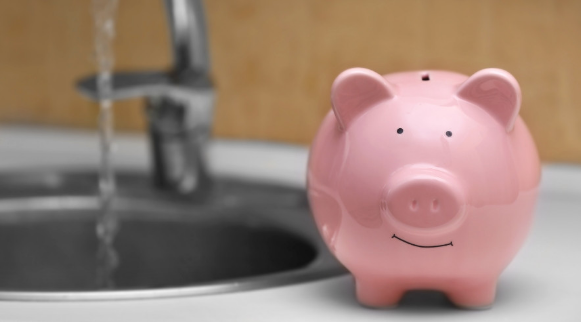
Every home has a water story shaped by daily routines and quiet habits. Small changes in plumbing use often lead to noticeable savings over time. Awareness and smart choices help water systems run more efficiently.

Water Saving Habits

Morning routines often set the tone for daily water use. Turning off the faucet while brushing teeth or shaving keeps unnecessary water from flowing away. Choosing a water-efficient dishwasher instead of washing dishes by hand in the sink also reduces overall consumption.

Laundry and cleaning habits quietly influence monthly water costs. Running full loads allows appliances to operate more efficiently. These small adjustments help conserve water without disrupting daily life.

Outdoor water use tells another important part of the story. Watering lawns during early morning or evening hours limits evaporation caused by heat and sunlight. This timing helps landscapes stay healthy while using less water.

Invest in Water-Saving Fixtures

Older plumbing fixtures often use more water than necessary. Modern showerheads, toilets, and faucets are designed to reduce flow while maintaining steady pressure. These upgrades support long-term savings without sacrificing comfort.

Advancements in plumbing technology have changed how water moves through a system. Low-flow fixtures manage pressure efficiently and consistently. Many properties experience lower water bills soon after installation.

Upgrading fixtures also supports the overall health of plumbing systems. Reduced strain on pipes and valves extends system lifespan. Professional plumbing services help select fixtures that match household needs.

Fix Leaks

A slow drip or unexplained increase in water bills often signals a hidden leak. Damp areas, water stains, or the sound of running water can point to trouble within plumbing lines. Ignoring these signs allows water waste to continue unnoticed.

Leaks behind walls or beneath floors often affect water pressure and efficiency. Water leak detection services locate the source without unnecessary disruption. Accurate repairs stop water loss and protect surrounding structures.

Restoring plumbing integrity often brings immediate improvements. Water pressure stabilizes, and monthly costs become more predictable. Saving on water costs often comes down to habits, upgrades, and timely repairs. Professional water leak detection services play a key role in long-term savings.

HOT WATER CHECKUP: WHEN A WATER HEATER HAS REACHED ITS LIMIT

Don’t Get Stuck Without Hot Water This Winter

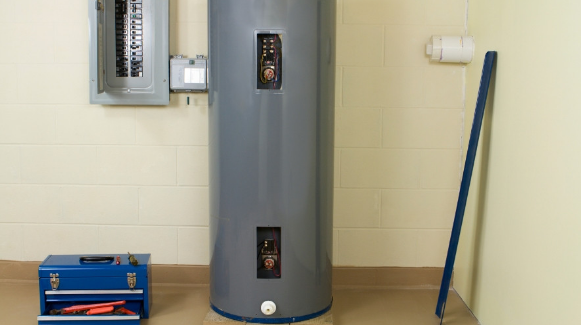
A dependable water heater keeps showers comfortable, dishes clean, and laundry cycles running smoothly. When problems start to appear, it can be difficult to know whether a quick repair will solve them or if full water heater replacement is the smarter choice. This overview highlights three major warning categories—temperature issues, leaks or corrosion, and age or frequent repairs—that often signal the need for new water heating equipment.

Temperature Issues

Shifts in water temperature often provide the first sign of trouble. Inconsistent or uneven water temperatures, where a faucet suddenly turns lukewarm or cold without any adjustment, usually indicate failing thermostats, burned‑out elements, or sediment buildup inside the tank. A total loss of hot water points to more serious component failure and rarely resolves on its own.

Another common complaint is running out of hot water much faster than in the past, despite the same daily habits. When a tank that once handled normal demand can no longer keep pace, internal wear may be reducing usable capacity. In combination, no hot water, rapid temperature swings, and shortened run time strongly suggest that planning for water heater replacement is more practical than repeated minor fixes.

Leaks or Corrosion

Visible deterioration around the tank is one of the clearest reasons to consider a new unit. Signs of water heater corrosion include rust streaks on the exterior, bubbling paint, or damp insulation. At fixtures, discolored or rust‑colored hot water or a metallic odor can also point to a corroded water heater.

Once corrosion breaks through the inner lining, a water heater leak usually follows. A leaking water heater may leave small puddles, damp spots on the floor, or moisture on nearby walls and baseboards. Because internal rust continues to spread, attempting to patch a corroded shell rarely offers a lasting solution. In most cases, a tank that leaks due to corrosion should be replaced quickly to avoid sudden rupture and extensive water damage.

Old Age or Frequent Repairs

Traditional storage‑tank heaters have a limited working life. When a standard water heater passes the ten‑year mark, wear on internal parts, mineral buildup, and declining efficiency become much more likely. Symptoms such as rumbling noises, cloudy hot water, or difficulty keeping the burner or pilot lit tend to appear more often as equipment ages.

Frequent breakdowns are another strong clue that replacement is the better long‑term investment. If service calls are becoming routine, or if a single repair quote approaches a large share of the cost of a new unit, upgrading to modern water heater installation often saves money over time. A new system can be sized correctly for current demand and provide more reliable water heating with fewer surprises. Timely upgrades reduce stress and help avoid unexpected cold‑shower emergencies.

HOLIDAY-PROOF PLUMBING: MAINTENANCE TIPS TO AVOID SEASONAL DISASTERS

Why Is Maintaining the Plumbing Important?

The holiday season often brings extra cooking, houseguests, and heavier use of sinks, toilets, and water heaters. That added strain can expose hidden weaknesses in a plumbing system and turn minor issues into major emergencies. This post outlines why plumbing maintenance matters so much before and during the holidays, explaining the benefits of regular plumbing maintenance, the advantages of routine water heater maintenance, and practical steps households can take to prevent clogs, leaks, and backups.

Benefits of Plumbing Maintenance

Consistent plumbing maintenance works like a health check for pipes, fixtures, and drains. During a maintenance visit, a professional can identify small problems—such as a slow drip under a sink, a minor leak at a shutoff valve, or corrosion on exposed piping—before those issues escalate into a burst pipe, flooding, or extensive water damage. Addressing problems promptly also reduces the likelihood of a sewer backup at the worst possible time, like during a large holiday gathering.

Preventive care is often far less expensive than emergency repairs. Routine inspections, targeted adjustments, and occasional drain cleaning generally cost much less than repairing floors, walls, and furnishings after a major leak or overflow. When pipes, valves, and fixtures are kept in good condition, the entire plumbing system tends to last longer, delaying the need for large-scale replacements.

Water efficiency is another important benefit. Even a small leak can waste a surprising amount of water over time. Plumbing maintenance typically includes checking toilets, faucets, and visible piping for signs of moisture, staining, or mold. Fixing these problems helps conserve water and can lower monthly utility bills, while also preventing hidden damage within walls, cabinets, and subfloors.

Benefits of Water Heater Maintenance

During the holidays, the water heater becomes one of the hardest-working appliances in the home, providing hot water for showers, dishwashing, and laundry. Without regular water heater maintenance, sediment and mineral deposits can build up inside the tank or on heating elements. This buildup forces the unit to work harder to heat water, reducing efficiency and increasing operating costs.

Routine water heater maintenance often includes flushing the tank (for standard storage models), checking temperature and pressure relief valves, inspecting the anode rod, and verifying that burners or electric elements are functioning correctly. These steps help prevent unexpected breakdowns and reduce the risk of tank leaks that could cause localized flooding or damage to nearby areas.

By catching early warning signs—such as strange noises, fluctuating water temperatures, or small puddles around the base of the heater—maintenance can prevent larger issues and costly repairs. A well-maintained water heater typically operates more efficiently, lasts longer, and provides more reliable hot water during periods of heavy demand.

More Tips to Maintain the Plumbing

In addition to scheduled professional service, daily habits inside the home play a major role in preventing plumbing problems. A key focus should be on avoiding a sewer line clog. A clogged sewer line can cause wastewater to flow back into tubs, toilets, and floor drains, creating unsanitary conditions and potential flooding. In severe cases, a persistent sewer line clog can increase pressure in the system and contribute to leaks or even a burst pipe.

Smart kitchen and bathroom practices significantly reduce this risk. Grease, cooking oils, coffee grounds, and large amounts of food scraps are better disposed of in the trash or compost rather than rinsed into the sink. In bathrooms, only human waste and toilet paper should be flushed; wipes, cotton products, dental floss, and hygiene items are best placed in a wastebasket. These choices limit the amount of debris entering the main line and lower the chances of a clogged sewer line that demands urgent drain cleaning.

Awareness of early warning signs is just as critical as prevention. Slow drains in multiple fixtures, recurring clogs, gurgling sounds from toilets or sinks, and unpleasant odors from drains can all signal developing blockages. Discolored spots on ceilings or walls, unexplained dampness, or musty smells may indicate a hidden leak that requires prompt attention. Responding quickly to these clues—by arranging professional inspection or cleaning—helps prevent backups, structural damage, and emergency repair bills.

With a combination of proactive plumbing maintenance, consistent water heater maintenance, and sensible day-to-day habits, households can move through the holiday season with greater confidence that pipes, drains, and hot water will perform as needed.

PLUMBING TIPS FOR THE COLDER MONTHS

Protect the Plumbing From the Cold This Fall and Winter

As temperatures drop, practical plumbing tips for colder temperatures can help prevent frozen or burst pipes and the water damage that follows. A few proactive steps taken before a cold snap make a measurable difference. This overview explains how to insulate vulnerable piping, maintain indoor warmth and air circulation around plumbing, and winterize outdoor faucets so systems continue to flow reliably through fall and winter.

Insulate the Pipes

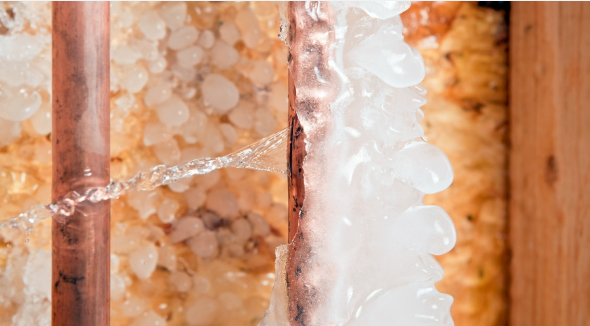
Frozen pipes are among the most costly winter plumbing problems, and pipe insulation is a straightforward way to reduce risk. Insulation creates a thermal buffer that helps piping stay above freezing, even when surrounding areas get very cold. Priority locations include attics, crawl spaces, garages, and unfinished basements—spaces where cold air moves freely and heat is limited. Pipes on exterior walls and in under‑sink cabinets near outside walls are also more vulnerable and benefit from attention.

Selecting suitable materials improves protection. Foam pipe sleeves are easy to install on straight runs and provide consistent coverage; fiberglass wraps conform well around joints and irregular paths; and approved heat cable can add targeted protection in areas with persistent exposure. Before starting, measuring pipe diameter ensures a snug fit. Sections should be cut to length, fitted tightly, and seams secured so gaps don’t allow cold air to reach the pipe. Elbows, tees, and valves deserve extra care, as small openings around these fittings are common freeze points.

Installation rarely requires specialized tools. Systematically covering exposed piping, sealing openings where cold air enters, and adding insulation to nearby walls or rim joists work together to reduce heat loss. When combined with steady indoor temperatures, this layered approach can significantly lower the chance of freeze‑related damage.

Keep the Heat on and Open Cabinets

A consistent indoor temperature is one of the best defenses against frozen plumbing. Large setbacks during cold weather increase freeze risk inside wall cavities and unconditioned areas. Keeping the thermostat at a steady setting helps maintain warmth in the spaces surrounding supply lines and traps. Interior doors left ajar allow heat to circulate more evenly, and sealing drafts around windows, doors, and sill plates helps preserve that warmth where it’s needed most.

Cabinet doors beneath kitchen and bathroom sinks can trap cold air around pipes, particularly on exterior walls. Opening those doors during freezing conditions allows household air to reach the plumbing and raise the temperature a few degrees. In areas with prolonged, extreme cold, allowing a slow trickle of water through fixtures supplied by vulnerable lines can help keep water moving and reduce stagnation that contributes to freezing.

Additional simple steps add protection. Removing items that block warm airflow around under‑sink plumbing, ensuring supply lines are not pressed tightly against exterior surfaces, and checking that crawl space vents and access panels are properly managed for winter all contribute to safer conditions. These measures cost little and pair effectively with pipe insulation to reduce freeze risk.

Winterize Outdoor Faucets

Outdoor faucets and exposed exterior piping face the harshest conditions and require winterization. Begin by disconnecting garden hoses and accessories so water does not remain trapped near the faucet. If an interior shutoff valve supplies each exterior spigot, close those valves, then open the outdoor faucets to let residual water drain. This step helps remove water from the section of pipe that runs to the exterior, reducing the chance of freezing inside the wall.

After draining, install insulated covers over each outdoor faucet to shield against wind and cold. Where accessible piping is exposed outdoors, additional protection with foam sleeves or approved heat cable can be considered, especially in areas with repeated freeze events. For properties without frost-proof sillcocks, timely winterization is even more important, as these older fixtures offer less inherent protection against freezing.

A quick inspection during cold spells helps confirm that covers remain tight and that no hoses or splitters have been reattached prematurely. Thoughtful winterization of exterior fixtures supports the entire plumbing system by removing common freeze points and lowering the likelihood of burst lines that can lead to interior water damage.

PREVENT CONTANIMATION THROUGH REGULAR BACKFLOW TESTING

The Importance of Backflow Prevention and Testing

Backflow is a serious plumbing issue that can contaminate clean water, posing significant health risks to a community. It occurs when the flow of water in a plumbing system reverses, drawing dirty or contaminated water into the clean water supply, which can happen due to changes in water pressure.

Regular backflow testing is not just a recommendation; it’s a critical preventative measure to ensure water remains safe and potable. Understanding the nuances of backflow and the importance of consistent testing is key to safeguarding water quality. This post will discuss backflow, backflow testing, and the importance of routine testing.

What Is Backflow?

Backflow in plumbing refers to the unwanted reversal of water flow in the opposite direction, causing non-potable or non-drinkable water to mix with potable water. This typically occurs in two main ways, which are back-siphonage and back-pressure. Back-siphonage happens when a sudden drop in water pressure in the main supply creates a vacuum, sucking contaminated water from a fixture, for example, like a garden hose submerged in a puddle, back into the clean water lines. Back-pressure occurs when the pressure in a private system, such as a well pump or a chemical injection system, exceeds the pressure in the public water supply, forcing contaminated water into the potable water system.

The dangers of backflow are substantial and can have severe health consequences. When contaminated water enters the clean water supply, it can introduce harmful bacteria, viruses, chemicals, and other pollutants. This can lead to various illnesses, ranging from gastrointestinal issues to more serious conditions. Protecting against backflow is crucial for public health and safety, making the installation of backflow prevention devices, regularly testing them, and repairing them if necessary, essential.

What Is Backflow Testing?

Backflow testing is a critical procedure performed by certified professionals to ensure that backflow prevention devices are functioning correctly. These devices are designed to stop contaminated water from reversing flow and entering the potable water supply. During a test, the technician uses specialized equipment to measure the pressure within the device, checking that all valves and components are operating within established safety standards.

The process typically involves isolating the backflow preventer, applying pressure to different zones, and observing the gauges to confirm that there are no leaks or malfunctions that would compromise its ability to prevent backflow. This regular assessment is essential for maintaining the integrity of the water system.

Annual backflow testing is not just a recommendation; in many places, it’s required. The primary reason for this annual check is that backflow prevention devices can wear down over time due to various factors such as water pressure fluctuations, sediment buildup, and general aging of components. A device that appears to be working can, in fact, have internal faults that only a proper test can detect. Without regular testing, a malfunctioning device could unknowingly allow contaminated water to enter the public water supply, creating a serious health hazard. Therefore, annual testing provides a crucial layer of protection, ensuring these devices remain effective and that drinking water remains safe and free from contaminants.

The Importance of Routine Backflow Testing

Routine backflow testing is a critical measure for ensuring the safety and integrity of the water supply. The primary benefit of these regular checks is that they verify that backflow prevention devices are functioning correctly. Backflow preventors are designed to prevent the reverse flow of water. Like any machinery, they can degrade over time, so during a backflow test, professionals can identify any potential malfunctions or issues before they lead to a full-blown backflow event, thereby helping to prevent costly damage to the plumbing system and ensuring the longevity of water infrastructure.

Beyond protecting the plumbing, routine backflow testing is paramount for public health and safety. The most significant benefit is that it directly helps to prevent water contamination. Contaminated water, introduced through a backflow incident, can carry harmful bacteria, viruses, chemicals, and other pollutants into the potable water supply. These contaminants can cause a variety of illnesses, so by consistently verifying the proper operation of backflow preventers, these tests create a vital barrier against such hazards, safeguarding the health of the family and the broader community by ensuring that drinking water remains clean, safe, and free from dangerous impurities.