SIMPLE HABITS THAT HELP AVOID SEWER LINE CLOGS

Ways to Help Avoid Clogging Drain and Sewer Lines

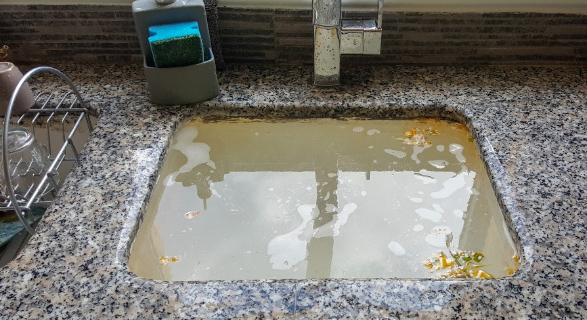
Maintaining clear drain and sewer lines is crucial for ensuring that a plumbing system works efficiently year-round. A clogged drain line or clogged sewer line doesn’t just disrupt daily routines—it can also trigger costly damage, unpleasant smells, and harmful health concerns. Thankfully, preventing sewer line clogs is easier than most homeowners realize.

With mindful drain use, the help of protective tools, and consistent plumbing habits, families can significantly reduce their risk of developing major blockages. These preventive measures allow pipes to remain clear and functional, reducing unnecessary plumbing emergencies and limiting the frequency of professional drain cleaning.

Be Careful What Is Flushed

One of the most common causes of a sewer line clog is flushing the wrong items down the toilet. Toilets are designed to handle only human waste and toilet paper. Other items, such as paper towels, wipes (even those labeled “flushable”), feminine hygiene products, and cotton swabs, do not break down properly and can create a clogged sewer line over time. Even excessive amounts of toilet paper flushed at once may cause problems. To prevent a clogged drain line, it is best to flush smaller amounts of toilet paper or flush multiple times if needed.

Avoid Putting Food Waste Down the Kitchen Sink

Another major contributor to drain line clogs is improper use of the kitchen sink. Many people assume garbage disposals can handle anything, but that is not the case. Food scraps such as grease, oil, coffee grounds, potato peels, rice, pasta, and eggshells should never go down a drain line. Grease and oil solidify inside pipes, while foods that expand in water, like rice and pasta, can block the flow. These items can easily lead to a clogged drain line that requires professional drain cleaning. Instead, food waste should be thrown in the trash or composted whenever possible.

Use Drain Screens

An easy and affordable way to prevent clogs in sinks, showers, and tubs is to use mesh drain screens. These simple devices catch hair, food particles, and other debris before they enter the drain line. Without a barrier, this debris can accumulate inside pipes, eventually causing a stubborn sewer line clog. By placing drain screens in commonly used drains, homeowners can dramatically reduce the risk of a clogged sewer line and avoid frequent drain cleaning. Regularly emptying the screens into the garbage ensures they remain effective in keeping drain lines clear.
TIPS TO HELP IDENTIFY WATER LEAKS

Signs of Water Leaks

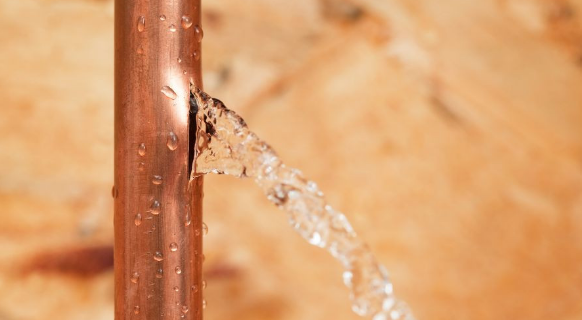
Water leaks can be costly and damaging problems, so it’s important that they are caught and addressed quickly to avoid water damage and high water bills. This post will share some ways that homeowners can identify a water leak so that a plumber can be called for water leak detection and repair.

High Water Bills

One simple way that homeowners can be alerted to a water leak in their homes is by keeping track of their monthly water bills, as an unusually high water bill can indicate a water leak in the plumbing. Start by comparing the current water bill to previous months and the same season from previous years, as this can account for normal usage variations.

Of course, if the household has used more water than usual, it will be reflected in the water costs. However, if the water bill spikes without a corresponding change in the household’s water consumption habits, it points to a leak. Addressing these leaks promptly prevents more than just inflated utility costs. Water damage from undetected leaks can compromise the home’s structural integrity, lead to mold growth, and require expensive repairs that far exceed the initial plumbing fix. So, taking immediate action protects both a homeowner’s wallet and property from potentially devastating consequences.

More Signs of a Leak

Beyond inflated water costs, several other signs can help homeowners identify a water leak, such as:

  • Low water pressure from fixtures like faucets and showerheads
  • The sound of dripping or running water when all fixtures are turned off
  • Water stains or damp spots on walls, floors, or ceilings
  • Water damage like warped flooring, peeling paint, or more
  • Mold growth or musty odors

Use the Water Meter

Another way homeowners can be alerted to a water leak is by using their water meters to test for leaks. Many modern water meters have a leak indicator dial, a small triangular or circular component that spins when water flows through the system. If all plumbing fixtures and appliances that use water are off and no water is being used, this leak indicator moving or spinning signals a leak.

Even without a leak indicator, water meters can still be used to detect leaks. Homeowners should ensure that nothing on the property is using water, and then go to the water meter and take note of its reading. After waiting at least an hour without any water being used, if the reading on the water meter has changed, it indicates a water leak. If the water meter signals a leak or homeowners notice signs of a leak, a plumber should be called immediately for professional water leak repair services.