SIMPLE HABITS THAT HELP AVOID SEWER LINE CLOGS

Ways to Help Avoid Clogging Drain and Sewer Lines

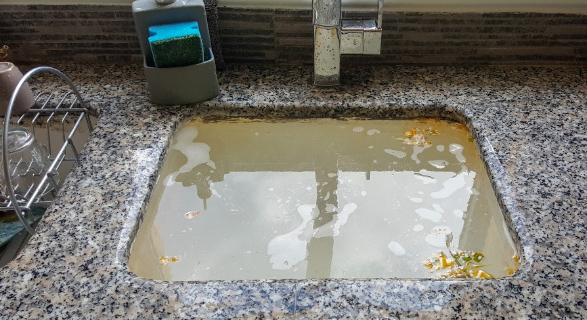
Maintaining clear drain and sewer lines is crucial for ensuring that a plumbing system works efficiently year-round. A clogged drain line or clogged sewer line doesn’t just disrupt daily routines—it can also trigger costly damage, unpleasant smells, and harmful health concerns. Thankfully, preventing sewer line clogs is easier than most homeowners realize.

With mindful drain use, the help of protective tools, and consistent plumbing habits, families can significantly reduce their risk of developing major blockages. These preventive measures allow pipes to remain clear and functional, reducing unnecessary plumbing emergencies and limiting the frequency of professional drain cleaning.

Be Careful What Is Flushed

One of the most common causes of a sewer line clog is flushing the wrong items down the toilet. Toilets are designed to handle only human waste and toilet paper. Other items, such as paper towels, wipes (even those labeled “flushable”), feminine hygiene products, and cotton swabs, do not break down properly and can create a clogged sewer line over time. Even excessive amounts of toilet paper flushed at once may cause problems. To prevent a clogged drain line, it is best to flush smaller amounts of toilet paper or flush multiple times if needed.

Avoid Putting Food Waste Down the Kitchen Sink

Another major contributor to drain line clogs is improper use of the kitchen sink. Many people assume garbage disposals can handle anything, but that is not the case. Food scraps such as grease, oil, coffee grounds, potato peels, rice, pasta, and eggshells should never go down a drain line. Grease and oil solidify inside pipes, while foods that expand in water, like rice and pasta, can block the flow. These items can easily lead to a clogged drain line that requires professional drain cleaning. Instead, food waste should be thrown in the trash or composted whenever possible.

Use Drain Screens

An easy and affordable way to prevent clogs in sinks, showers, and tubs is to use mesh drain screens. These simple devices catch hair, food particles, and other debris before they enter the drain line. Without a barrier, this debris can accumulate inside pipes, eventually causing a stubborn sewer line clog. By placing drain screens in commonly used drains, homeowners can dramatically reduce the risk of a clogged sewer line and avoid frequent drain cleaning. Regularly emptying the screens into the garbage ensures they remain effective in keeping drain lines clear.
TIPS TO HELP IDENTIFY WATER LEAKS

Signs of Water Leaks

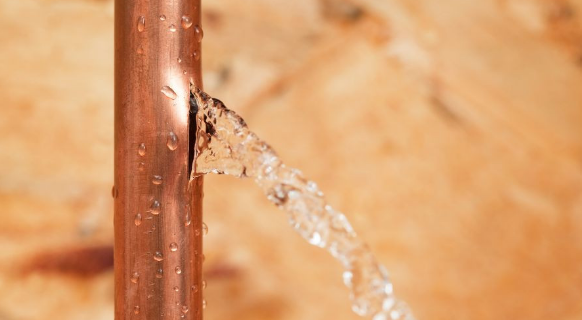
Water leaks can be costly and damaging problems, so it’s important that they are caught and addressed quickly to avoid water damage and high water bills. This post will share some ways that homeowners can identify a water leak so that a plumber can be called for water leak detection and repair.

High Water Bills

One simple way that homeowners can be alerted to a water leak in their homes is by keeping track of their monthly water bills, as an unusually high water bill can indicate a water leak in the plumbing. Start by comparing the current water bill to previous months and the same season from previous years, as this can account for normal usage variations.

Of course, if the household has used more water than usual, it will be reflected in the water costs. However, if the water bill spikes without a corresponding change in the household’s water consumption habits, it points to a leak. Addressing these leaks promptly prevents more than just inflated utility costs. Water damage from undetected leaks can compromise the home’s structural integrity, lead to mold growth, and require expensive repairs that far exceed the initial plumbing fix. So, taking immediate action protects both a homeowner’s wallet and property from potentially devastating consequences.

More Signs of a Leak

Beyond inflated water costs, several other signs can help homeowners identify a water leak, such as:

  • Low water pressure from fixtures like faucets and showerheads
  • The sound of dripping or running water when all fixtures are turned off
  • Water stains or damp spots on walls, floors, or ceilings
  • Water damage like warped flooring, peeling paint, or more
  • Mold growth or musty odors

Use the Water Meter

Another way homeowners can be alerted to a water leak is by using their water meters to test for leaks. Many modern water meters have a leak indicator dial, a small triangular or circular component that spins when water flows through the system. If all plumbing fixtures and appliances that use water are off and no water is being used, this leak indicator moving or spinning signals a leak.

Even without a leak indicator, water meters can still be used to detect leaks. Homeowners should ensure that nothing on the property is using water, and then go to the water meter and take note of its reading. After waiting at least an hour without any water being used, if the reading on the water meter has changed, it indicates a water leak. If the water meter signals a leak or homeowners notice signs of a leak, a plumber should be called immediately for professional water leak repair services.

THE HIDDEN DANGERS OF IGNORING PLUMBING LEAKS

fixing plumbing leaks

We often take the plumbing systems in our homes for granted, expecting them to function flawlessly day in and day out. However, even the most well-maintained plumbing systems can develop leaks over time. While a small drip might not seem like a big deal, ignoring plumbing leaks can lead to a host of hidden dangers that can wreak havoc on both your home and your health. In this blog, we’ll explore the often underestimated risks associated with neglecting plumbing leaks and why timely action is crucial.

1. Structural Damage

One of the most significant dangers of ignoring plumbing leaks is the potential for structural damage to your home. Water has a sneaky way of finding its way into nooks and crannies, leading to gradual weakening of your home’s foundation, walls, and ceilings. Over time, this can result in rot, mold growth, and even compromised structural integrity. The cost of repairing such damage can quickly escalate, making early leak detection and repair a prudent investment.

2. Mold And Mildew Growth

Stagnant water from plumbing leaks creates an ideal environment for mold and mildew to thrive. Mold not only damages your property’s aesthetics, but it also poses serious health risks. Breathing in mold spores can trigger allergies, worsen asthma symptoms, and even lead to respiratory infections. The longer leaks go unnoticed, the more extensive the mold growth can become, increasing the difficulty and cost of remediation.

3. Increased Water Bills

One of the more obvious consequences of ignoring plumbing leaks is the impact on your water bills. Even a small leak can waste a significant amount of water over time, causing your water bills to skyrocket. By fixing leaks promptly, you can prevent this unnecessary financial strain and contribute to water conservation efforts.

4. Compromised Indoor Air Quality

As water seeps into walls, floors, and ceilings due to leaks, it creates a damp environment that promotes the growth of mold, mildew, and bacteria. These microorganisms can release harmful spores and particles into the air, leading to poor indoor air quality. Prolonged exposure to these contaminants can lead to respiratory problems, allergies, and other health issues for you and your family.

5. Electrical Hazards

Water and electricity don’t mix well. If a plumbing leak comes into contact with electrical wiring or appliances, it can create a dangerous situation. Water conducts electricity, increasing the risk of electrical shorts, sparks, or even fires. Ignoring leaks in areas near electrical components could potentially put your household at risk of fire and serious injury.

6. Pest Infestations

Leaking pipes can create a damp and inviting environment for pests like cockroaches, ants, and rodents. These unwanted guests are not only a nuisance but can also cause damage to your property and pose health risks through the transmission of diseases. Addressing plumbing leaks promptly can help prevent these infestations from taking hold.Plumbing leaks are a common household issue that should not be ignored. By detecting and fixing leaks early, you can prevent significant water damage and save money in the long run. If you need professional help with your plumbing leaks, contact Bono Plumbing, your local plumbing experts. We offer a wide range of plumbing services, including leak detection and repair, to keep your home safe and sound.

UNDERSTANDING YOUR HOME’S WATER PRESSURE AND HOW TO ADJUST IT

water pressure from the faucet

Water pressure is a vital aspect of our daily lives, impacting everything from shower comfort to efficient dishwashing. Yet, many homeowners overlook this essential element until issues arise. In this blog, we’ll delve into the significance of water pressure, how to assess it, and steps to adjust it for optimal performance.

Why Water Pressure Matters

Water pressure refers to the force at which water flows through your plumbing system. Proper water pressure ensures that appliances, faucets, and showers function as intended. Low water pressure can lead to frustrations like weak showers and slow-filling washing machines, while excessive pressure might cause leaks, damaged pipes, and unnecessary water consumption.

Assessing Water Pressure

Before making any adjustments, it’s crucial to understand your home’s current water pressure. Follow these steps to gauge it:

1. Use a Pressure Gauge: You can purchase a pressure gauge at a hardware store. Attach it to an outdoor faucet or washing machine outlet, and open the faucet fully. The gauge will display the pressure in pounds per square inch (psi).

2. Check Recommended Range: The ideal water pressure for residential homes usually falls within the 40 to 60 psi range. If your reading is below 40 psi, you might experience weak water flow. Pressure above 60 psi could lead to unnecessary strain on your plumbing system.

Adjusting Water Pressure

If your water pressure falls outside the recommended range, you can take steps to adjust it. However, if you’re uncertain or uncomfortable working with plumbing systems, it’s best to consult a professional plumber.

1. INCREASE WATER PRESSURE

– Check the Main Valve: Ensure the main water valve is fully open. Sometimes, it’s accidentally turned partially closed, leading to reduced pressure throughout the house.

– Pressure Regulator Valve: Locate your home’s pressure regulator valve, usually near the main water supply. Adjust the valve using a wrench – turning it clockwise will usually increase the pressure.

2. DECREASE WATER PRESSURE

– Pressure Regulator Valve: If your pressure is too high, the pressure regulator valve can be adjusted to lower it. Turning the valve counterclockwise can help reduce the pressure.

3. CONSULT A PROFESSIONAL

– If adjusting the pressure regulator valve doesn’t yield the desired results, or if you’re uncomfortable making adjustments yourself, it’s advisable to call a licensed plumber. They have the expertise to diagnose the issue and make the necessary adjustments safely.

Maintaining Optimal Water Pressure

Once you’ve achieved the right water pressure, it’s essential to maintain it for efficient water usage and a well-functioning plumbing system:

– Regular Inspections: Periodically check your pressure gauge to ensure the pressure remains within the recommended range.

– Leaks and Repairs: Promptly address any leaks or plumbing issues to prevent them from affecting your water pressure.

– Professional Maintenance: Schedule routine maintenance with a plumber to ensure your pressure regulator valve and entire plumbing system are in good condition.

Understanding your home’s water pressure and knowing how to adjust it can save you from costly plumbing repairs and ensure a smoothly functioning plumbing system. By following the practical tips outlined in this blog post, you can confidently address common water pressure issues. Remember, if you encounter complex problems or lack the necessary expertise, it’s always wise to seek professional help.

At Bono Plumbing, we specialize in understanding and adjusting water pressure for homeowners in Troy, MO. Our experienced team is ready to assist you in maintaining optimal water pressure throughout your home. Contact us today to schedule a consultation.

THE IMPORTANCE OF PROPER WATER HEATER INSTALLATION

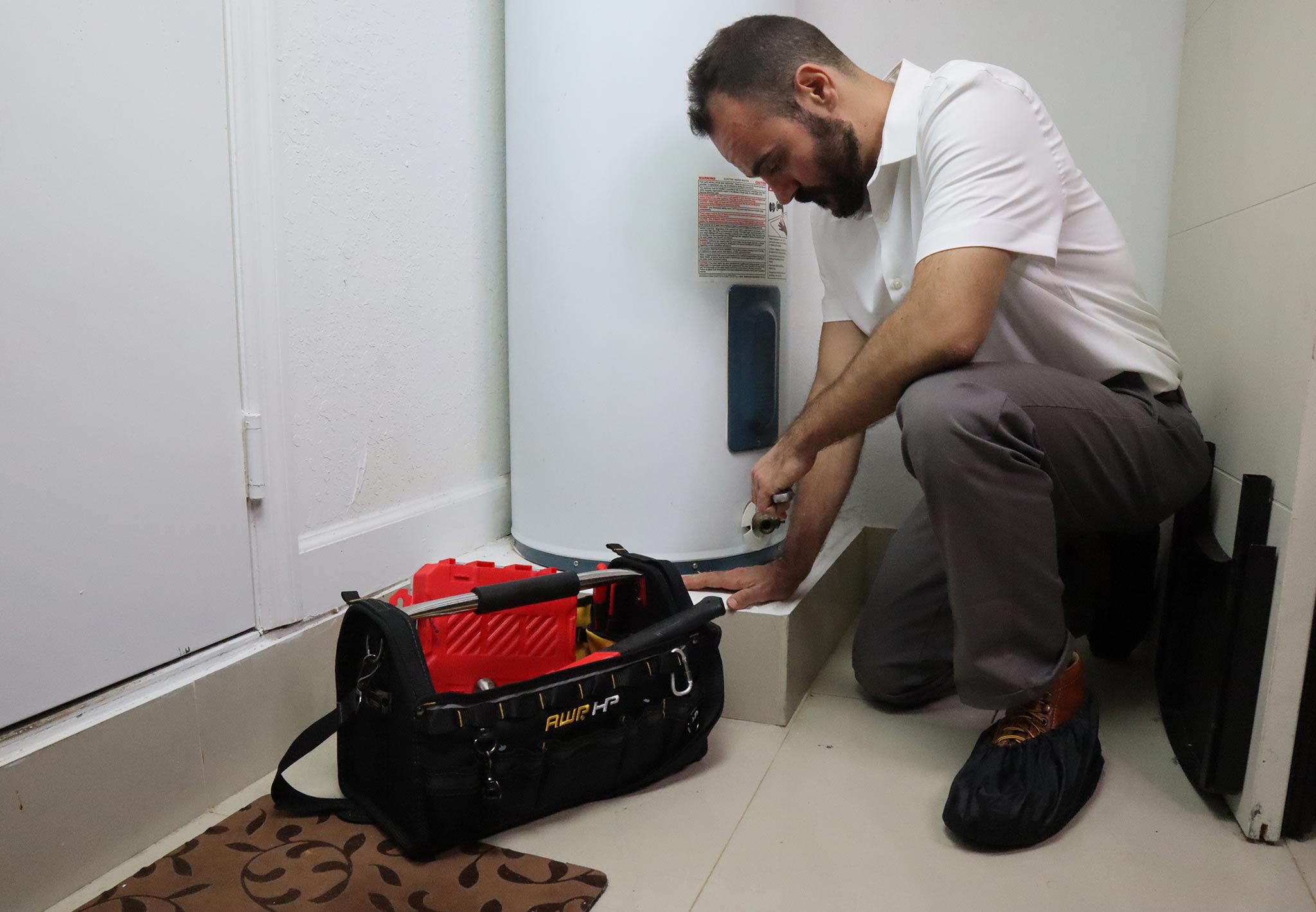
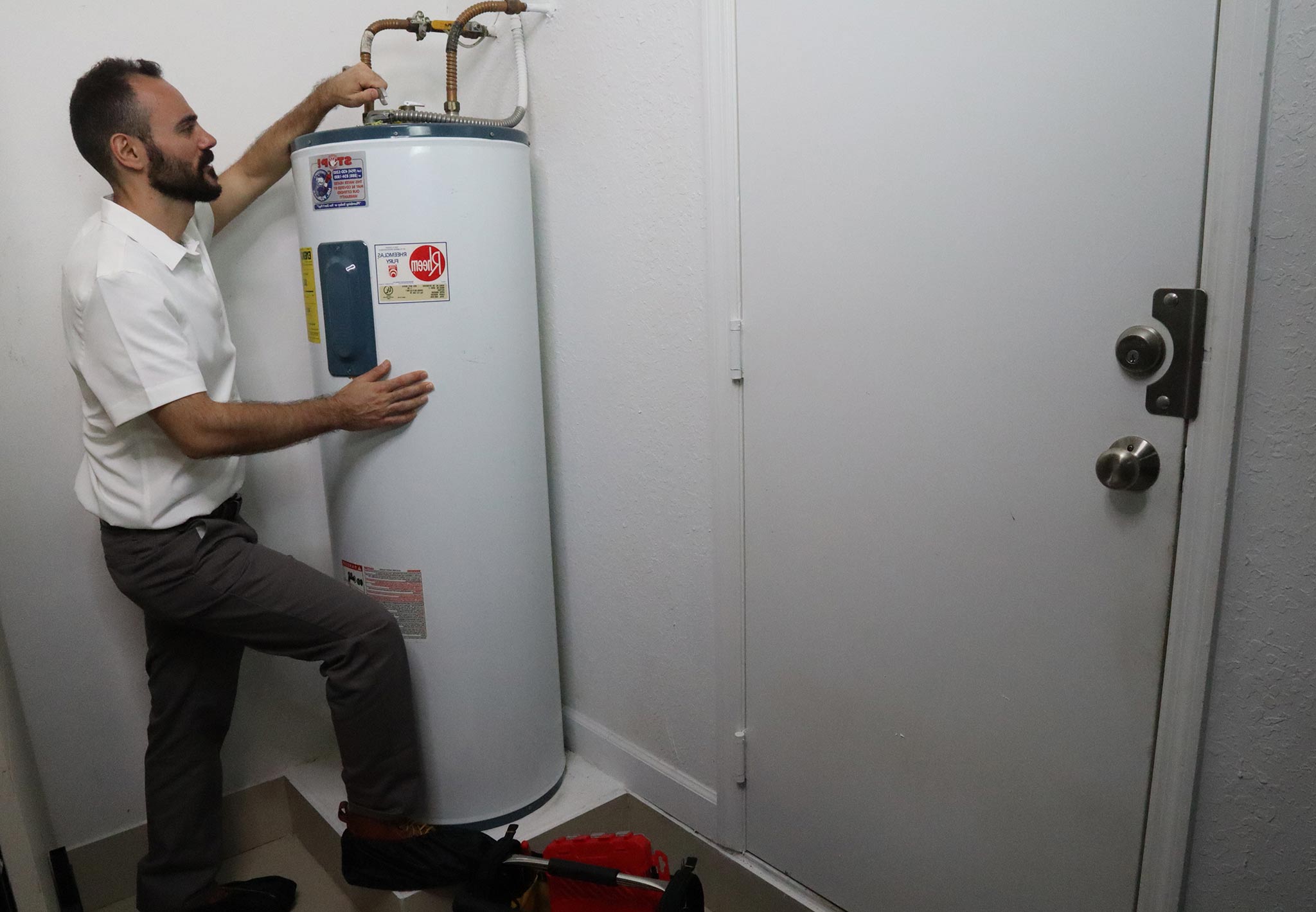
installing water heater unit

When it comes to the comfort and functionality of your home, few appliances play as crucial a role as your water heater. Proper water heater installation is not only essential for its efficient operation but also for your safety and peace of mind. Bono Plumbing understands the significance of a correctly installed water heater, as it guarantees optimal performance and minimizes potential risks. In this blog, we will explore why proper water heater installation is of utmost importance, discussing the benefits it offers and the potential consequences of neglecting this vital task.

Safety First

Safety should always be the primary concern when it comes to any plumbing installation, and water heaters are no exception. Improper installation can lead to severe safety hazards, including gas leaks, carbon monoxide poisoning, scalding, or even explosions. Trusting a professional plumbing service ensures that the installation adheres to all necessary safety codes and guidelines. Certified plumbers possess the expertise and knowledge to handle gas lines, venting systems, and electrical connections safely, preventing any potential dangers associated with incorrect installation.

Optimal Performance

Proper installation plays a significant role in maximizing the performance and longevity of your water heater. When installed correctly, a water heater operates efficiently, providing you with consistent hot water whenever you need it. Incorrect installation, on the other hand, can lead to inadequate heating, inconsistent water temperatures, or even frequent breakdowns. By relying on experienced plumbers, such as those at Bono Plumbing, you can ensure that your water heater is installed with precision, ensuring optimal performance and minimizing the risk of premature malfunctions.

Energy Efficiency And Cost Savings

Properly installed water heaters also contribute to energy efficiency and cost savings. A professionally installed unit ensures that all components work together seamlessly, minimizing energy waste and reducing your utility bills. When a water heater is improperly installed, it may result in heat loss due to insulation issues, leaks, or poorly connected pipes. These inefficiencies can significantly impact your energy consumption and subsequently increase your monthly expenses. By investing in a professional installation service, you can rest assured that your water heater will operate at its highest efficiency, helping you save money in the long run.

Warranty Protection

Most water heaters come with manufacturer warranties that provide coverage against defects or malfunctions. However, many warranties are contingent upon proper installation by a certified professional. Failure to comply with this requirement can void your warranty, leaving you responsible for any future repair costs. By choosing Bono Plumbing for your water heater installation, you not only ensure the installation meets warranty requirements but also gain the peace of mind that comes with knowing you’re protected against unforeseen expenses in the event of a malfunction.

When it comes to water heater installation, cutting corners or attempting a DIY approach can lead to severe consequences, both in terms of safety and efficiency. Trusting professionals like Bono Plumbing guarantees that your water heater is installed correctly, ensuring optimal performance, energy efficiency, and long-term savings. Don’t compromise on your safety or risk expensive repairs down the line. Invest in a proper water heater installation today, and enjoy the comfort and reliability of consistent hot water in your home. Contact Bono Plumbing to schedule your installation and experience the difference that expert service can make.

UPGRADING YOUR TOILET: UNDERSTANDING THE LATEST PLUMBING TECHNOLOGY

plumber working on toilet parts

When it comes to upgrading your home, one area that often gets overlooked is the bathroom. However, with the latest advancements in plumbing technology, there are plenty of reasons to consider upgrading your toilet. From water-saving features to innovative bidet systems, smart toilets, clog-free designs, and touchless functionality, these advancements can enhance both the efficiency and comfort of your bathroom experience. Let’s explore some of the latest plumbing technologies that can revolutionize your toilet and make it a more modern and convenient fixture in your home.

Water-Saving Toilets

Conserving water is becoming increasingly important in today’s world, and one of the most significant developments in plumbing technology is the advent of water-saving toilets. Traditional toilets can use a substantial amount of water per flush, but modern water-saving models can significantly reduce water consumption. These toilets use advanced flushing mechanisms, such as dual-flush systems, which offer two different flushing options depending on the waste volume. By using less water for liquid waste and a slightly higher volume for solid waste, water-saving toilets can help reduce your household’s water consumption and contribute to a more sustainable environment.

Bidets

Bidets have been popular in many parts of the world for years, and now they’re gaining recognition in North America and other regions. Bidet toilet seats or standalone bidet fixtures offer a more hygienic alternative to traditional toilet paper. They use a gentle stream of water to clean the user, reducing the need for excessive paper usage and providing a refreshing and comfortable experience. Bidet seats often come with adjustable water pressure and temperature settings, ensuring a customized and luxurious cleansing experience.

Smart Toilets

With the rise of smart homes, it’s no surprise that toilets have also become smarter. Smart toilets come packed with features designed to enhance user experience and convenience. Some models offer heated seats, built-in air dryers, and deodorizing functions. You can control these features using a remote control or smartphone app. Smart toilets may also include sensors that detect when someone approaches or leaves the toilet, automatically raising or lowering the lid accordingly. Additionally, some models provide health monitoring capabilities, measuring metrics such as body weight, blood pressure, and even blood sugar levels through built-in sensors.

Clog-Free Toilets

Dealing with a clogged toilet is an unpleasant experience that many of us have encountered. However, advancements in toilet design have led to the creation of clog-free toilets that greatly reduce the likelihood of blockages. These toilets feature improved trapway designs, larger flush valves, and optimized bowl shapes that enhance the flushing power and prevent debris from getting stuck. By investing in a clog-free toilet, you can save yourself the hassle and frustration of dealing with frequent clogs, leading to a more enjoyable and stress-free bathroom experience.

Touchless Toilets

In today’s germ-conscious world, touchless technology have become increasingly popular. Touchless toilets feature sensors that detect movement or the presence of a user, allowing for a hands-free operation. The toilet lid automatically opens and closes, and the flushing mechanism activates without the need for physical contact. Touchless toilets not only provide a more hygienic experience but also help reduce the spread of germs and bacteria, making them an excellent choice for households with children or individuals with mobility limitations.

Upgrading your toilet with the latest plumbing technology can bring numerous benefits to your bathroom experience. As technology continues to advance, it’s worth considering these innovative options to transform your bathroom into a modern, efficient, and comfortable space. Whether you prioritize water conservation, hygiene, convenience, or all of the above, upgrading your toilet is a step toward embracing the future of plumbing technology and enhancing your daily life.At Bono Plumbing, we specialize in helping customers upgrade their toilets with the latest plumbing technology. Contact us today to learn more about our services and how we can assist you in creating a modern and efficient bathroom.

10 THINGS YOU SHOULD NEVER PUT DOWN YOUR DRAINS

woman using a plunger in a kitchen sink

Every homeowner has experienced the frustration of a clogged drain at some point. While it may seem like a minor inconvenience, the truth is that drain clogs can lead to bigger issues if not properly addressed.

To help you prevent drain clogs and keep your plumbing system running smoothly, we’ve compiled a list of the top 5 drain clog culprits and how you can prevent them. By avoiding these common mistakes, you can save yourself time, money, and potential damage to your plumbing system.

1. Grease And Fats

One of the most common causes of drain clogs is the buildup of grease and fats. When you pour cooking grease down the drain, it can solidify and create a blockage in your pipes.

To prevent this issue, always dispose of grease and fats in a sealed container and throw it away in the trash. You can also use a grease trap to catch the grease before it enters your drain.

2. Coffee Grounds

Many people don’t realize that coffee grounds can cause serious plumbing issues. When you pour coffee grounds down the drain, they can clump together and create a blockage.

Instead of disposing of coffee grounds in the sink, try composting them or throwing them away in the trash. This simple change can help prevent clogs and keep your drains running smoothly.

3. Hair And Soap Scum

Hair and soap scum are other common causes of drain clogs. When hair and soap scum build up in your pipes, they can create a blockage that is difficult to remove. To prevent this issue, use a drain cover or hair catcher in your shower and bathtub.

This will help catch hair and soap scum before it enters your drain. Additionally, you can use a biodegradable cleaning solution to help break down soap scum and keep your pipes clean.

4. Food Scraps

Even if you have a garbage disposal, certain food scraps can still cause issues in your plumbing system. Items like eggshells, fruit peels, and starchy foods can all contribute to drain clogs.

To prevent this problem, always scrape your plates into the trash before washing them or using the garbage disposal. You can also try composting your food scraps or using a worm composting bin to reduce waste and keep your drains clear.

5. Flushable Wipes And Paper Products

While many wipes and paper products are labeled as “flushable,” they can still cause issues in your plumbing system. These items don’t break down as quickly as toilet paper and can lead to clogs in your pipes. To prevent this issue, always dispose of wipes and paper products in the trash instead of flushing them down the toilet.

REACH OUT TO BONO PLUMBING FOR DRAIN CLEANING TODAY

By avoiding these common drain clog culprits, you can help prevent plumbing issues and keep your drains running smoothly. However, if you do find yourself dealing with a stubborn clog, don’t hesitate to reach out to the professionals at Bono Plumbing for assistance. Our expert team can help you with maintaining a clear drain and, ensuring that your plumbing system is functioning properly and efficiently.

WATER HEATER TROUBLES: IS IT TIME TO REPAIR OR REPLACE?

water heater unit

Water heaters are essential appliances in our homes, providing hot water for showers, dishwashing, and laundry. However, like any other appliance, they can experience issues that may leave you wondering whether it’s time for a repair or a replacement.

In this blog post, we will discuss the top 5 signs that your water heater needs attention, and offer expert tips on how to address these issues. By understanding these signs, you can ensure that you take the necessary steps to keep your water heater functioning efficiently and effectively for years to come.

1. INSUFFICIENT HOT WATER SUPPLY

One of the most common issues homeowners face with their water heaters is a lack of hot water.

This problem can occur for various reasons, including:

  • A malfunctioning thermostat
  • A broken heating element
  • Or a water heater that is too small for your household’s needs

To determine the cause of the issue, you may need to consult with a professional plumber, like the experts at Bono Plumbing.

2. STRANGE NOISES COMING FROM THE WATER HEATER

If you hear unusual noises coming from your water heater, such as rumbling or popping sounds, this could be a sign of sediment buildup inside the tank. Over time, minerals in the water can accumulate at the bottom of the tank, causing the heating element to overheat and potentially damage the unit.

To address this issue, you can try flushing the water heater to remove the sediment. However, if the problem persists, you may need to consult with a professional plumber for further assistance.

3. RUSTY OR DISCOLORED WATER

If you notice rusty or discolored water coming from your hot water taps, this could be a sign that your water heater is corroding on the inside. This issue can lead to leaks and, ultimately, a complete failure of the unit.

To determine if the rust is coming from the water heater or your pipes, you can try draining a few gallons of water from the tank. If the water is still rusty after this, it’s likely that your water heater is the culprit and may need to be replaced.

4. LEAKS AROUND THE WATER HEATER

Leaks around your water heater can be caused by a variety of issues, such as a faulty pressure relief valve, a corroded tank, or loose connections. If you notice water pooling around your unit, it’s essential to address the issue promptly to prevent further damage to your home.

In some cases, a simple repair may be all that’s needed, but if the tank itself is corroded, a replacement may be necessary. A professional plumber can help you determine the best course of action.

5. AGE OF THE WATER HEATER

Most water heaters have a lifespan of around 8-12 years, depending on factors such as the quality of the unit, the hardness of the water, and the level of maintenance performed. If your water heater is approaching or has exceeded this age range, it may be more cost-effective to replace the unit rather than continue to invest in repairs. A new, energy-efficient water heater can also help you save on your energy bills and reduce your environmental impact.

COUNT ON BONO PLUMBING FOR ALL YOUR WATER HEATER NEEDS

In conclusion, by being aware of these top 5 signs that your water heater needs repair or replacement, you can take the necessary steps to ensure that your home continues to have a reliable supply of hot water. With our expertise and commitment to customer satisfaction, the team at Bono Plumbing can help you determine the best course of action for your water heater troubles.

If you’re experiencing any of these issues, don’t hesitate to contact the experts at Bono Plumbing for professional advice and assistance.

IS YOUR DRINKING WATER SAFE?

drinking water

With contaminants on the rise and our supply of fresh water dwindling, the water coming into your home may contain harmful chemicals as well as sediment and dissolved solids.

According to the CDC, most of the water that comes into your home comes from either surface water (streams, rivers, lakes, and reservoirs) or ground water. Depending on where you live and how the land around you is used, your tap water may contain germs and chemicals like chlorine that, over time, can cause health issues ranging from stomach issues to neurological disorders.The EPA has strict regulations and guidelines to protect our water here in the United States, but, if you’re worried about drinking the water from your tap, and you’re tired of the inconvenience of changing out filters, Bono Plumbing has a solution.

Water reverse osmosis filtration system

Introducing the NSRO42C4 North Star Reverse Osmosis Filtration System.

This is three-stage system that provides the highest level of filtration for the ultimate in water cleanliness and clarity. It is compact and fits right under your sink. Filters last for 750 gallons of water or 6 months, whichever comes first, and are easily replaced. The slim and sleek faucet is part of the package and ensures that your drinking water is free of:

  • Chlorine
  • Sediment
  • Cysts
  • Lead
  • Chemicals

Total Dissolved Solids (the amount of minerals, metals, organic material and salts that are dissolved in a certain volume of water).

Every community water supplier is required to provide a Customer Confidence Report to their customers that provides information about the quality of your drinking water. We encourage you to find yours and review it at EPA’s site.

These water filtration systems are relatively inexpensive, so, regardless of what your report shows, they are a great option to providing the peace of mind that your family’s drinking water is safe and free from contaminants. Call our office or reach out through our website to schedule your free consultation regarding a Reverse Osmosis Water Filtration System. At Bono Plumbing, the safety and comfort of our customers is our top priority.

DO YOU NEED A PERMIT FOR YOUR NEW WATER HEATER?

installing new water heater

Different municipalities in Missouri have varying requirements for property upgrades. As a plumbing service and installation company that is fully licensed, bonded, and insured, it is our responsibility to make sure that you have the right permits for any plumbing installation or upgrade.

Only licensed plumbers can pull permits, so if you choose to do the work yourself or have an unlicensed plumber take care of your new installations, you may run into some trouble when you attempt to sell your home.

So, how do you know if you need a permit for the installation of a new water heater? We’re going to tell you which municipalities in northeastern Missouri require a permit.

  1. THE CITY OF LAKE ST. LOUISYou got it. If you have a new water heater installed and you live in Lake St. Louis, you need a permit.
  2. THE CITY OF O’FALLONIf you live in O’fallon, Missouri and you need a new water heater, you also need a permit.
  3. CITY OF ST. PETERSSt. Peters Missouri is another municipality that requires a permit to be pulled by a licensed plumber before having a water heater installed.
  4. CITY OF ST. CHARLESYep, St. Charles, Missouri also requires a permit for new water heaters.
  5. CHESTERFIELD MISSOURI (and all of surrounding St. Louis County)Every city over the river requires permits for new water heaters, so be sure that you ask your installer if he is a licensed plumber who can pull permits for you!

If you ever have questions about a water heater replacement or a kitchen or bathroom upgrade and the permitting required, we have the answer!! Call us to get an accurate quote and guaranteed excellent workmanship that includes permitting and inspection fees.